Source Business 5G Rugged Phone for Field Work, Logistics, and Construction
Explore 28 listings of business 5G rugged phone options featuring touch screens, Android OS, and long battery life. Buyers can compare specifications like display size, network compatibility, and customization availability to find the right device for industrial use.
Key considerations
Products List




Comprehensive Sourcing Guide
Strategic Sourcing Guide for Business 5G Rugged Phones
Procuring ruggedized mobile devices for enterprise environments requires a rigorous evaluation of technical capabilities, durability standards, and supply chain reliability. The term "business 5G rugged phone" implies a device designed to withstand harsh industrial conditions while providing high-speed connectivity. However, the current market landscape presents a fragmented array of specifications, where devices range from basic feature phones to advanced Android-based terminals. Buyers must navigate this complexity by focusing on verified attributes rather than marketing claims. This guide outlines the critical factors for sourcing these devices, drawing from observed market data to ensure a disciplined procurement strategy.
Technical Specifications and Connectivity Requirements
The foundation of any rugged device selection lies in its core technical specifications. A primary differentiator in the current market is the network frequency support. While the target keyword specifies 5G, observed product data reveals a mix of connectivity standards, including 2G, 3G, and 4G configurations. For a true 5G business phone, buyers must explicitly verify the presence of 5G bands in the product datasheet, as many available units operate on legacy networks. The frequency specifications observed in the market include DECT 6, 4G, 3G, and 2G, indicating that not all "wireless" phones listed meet modern 5G requirements.
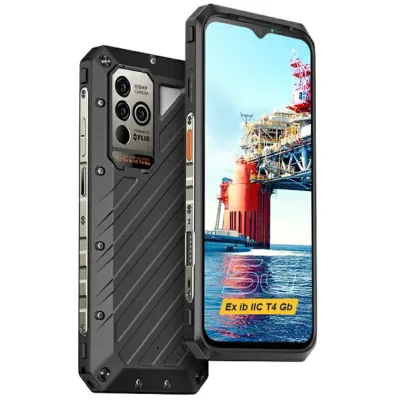
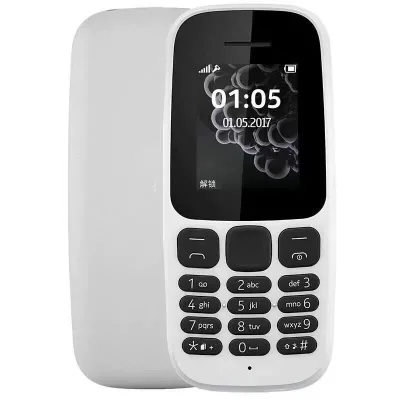
Display technology is another critical variable. The market offers a wide spectrum of screen options, ranging from small 2.4-inch Color TFT displays to large 10-inch touch screens and 8-inch touch panels. For field operations, a 5-inch or 8-inch display often balances visibility and portability, whereas 10-inch units may function more as mobile workstations. The presence of a touch screen is not universal; some units are listed as "Without Touch Screen," relying on physical keypads for input. Buyers must align the display type with the user interface needs of their workforce.
Operating systems vary significantly, with Android 10.0 and Android 10 being common configurations. This suggests that the software ecosystem is mature enough to support enterprise applications, but buyers should confirm the specific version to ensure compatibility with their internal software stack. Battery capacity also shows substantial variation, with observed values including 2100mAh, 2500mAh, and 3400mAh built-in batteries. For rugged applications requiring extended field use, a capacity of 3400mAh or higher is preferable to minimize downtime. Additionally, power delivery mechanisms, such as 5V/1A power adapters, must be compatible with the device's charging requirements.
Hardware Durability and Physical Design
Ruggedness is defined by physical design and component quality. While specific IP ratings (e.g., IP67) are not explicitly listed in the provided data, the physical dimensions and construction materials provide clues about the device's intended use. Observed dimensions range from compact units measuring 20817780mm to larger tablets-like devices at 30318632mm. The thickness and weight of the device are crucial for ergonomics during prolonged handling.
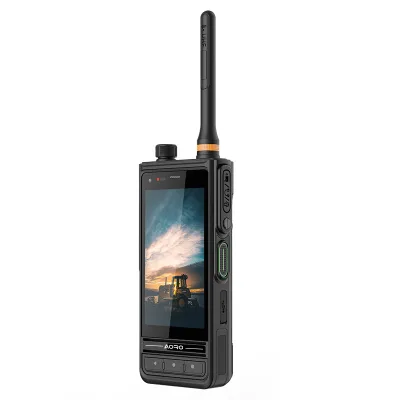
Antenna configuration is a vital specification for signal reliability in challenging environments. Some units feature external TNC antennas with high gain, which is a significant advantage for maintaining connectivity in areas with poor signal penetration. In contrast, devices with internal antennas may struggle in industrial settings with heavy metal interference. The presence of an external antenna suggests a design intent for robust wireless network performance.
Battery technology is another area of focus. The market data indicates the use of Li-ion rechargeable batteries, which are standard for modern mobile devices. However, the specific chemistry and cycle life are not detailed. Buyers should request detailed battery cycle data to ensure the device can withstand the discharge and recharge cycles typical of a two-shift work environment. Furthermore, the inclusion of accessories such as telephone cords and power adapters should be verified, as these are essential for the initial deployment and daily operation of the device.
Compliance, Certification, and Regulatory Standards
Ensuring that a device meets regulatory and safety standards is a non-negotiable aspect of B2B procurement. The provided data lists several certifications, including RoHS, ISO, and CE. These certifications indicate compliance with environmental restrictions on hazardous substances (RoHS), quality management systems (ISO), and European safety standards (CE). However, the presence of these certifications on a product listing does not guarantee that every unit in a batch is certified. Buyers must verify that the specific model number, such as HA04, HA02, or HP08, carries valid certification documentation for the target market.
In addition to the listed certifications, buyers should investigate compliance with local telecommunications regulations. For 5G devices, this includes adherence to specific frequency band allocations and radio frequency exposure limits. The absence of explicit 5G certification in the observed data suggests that buyers must be vigilant. If a supplier claims 5G capability, they must provide test reports from accredited laboratories confirming that the device operates within legal limits for the intended region.
Standardization of dimensions and packaging is also relevant for logistics. Observed packing formats include gift boxes, cartons, and pallets, with quantities ranging from 10 pieces per carton to bulk pallet shipments. The standard dimensions provided, such as 224x202x135mm, help in calculating shipping volumes and storage requirements. Buyers should ensure that the packaging standards align with their warehouse capabilities and that the product origin, noted as China or China Mainland, aligns with their import regulations and trade agreements.
Cost Drivers and Pricing Dynamics
The pricing of business rugged phones is influenced by a complex interplay of specifications, including network capability, display size, battery capacity, and certification status. The observed price range in the market is extensive, spanning from $4.10 to $906.66 USD. This wide variance reflects the difference between basic feature phones and advanced Android-based terminals with large screens and high-capacity batteries.
Several factors drive the cost upward. Devices with 5G connectivity, large touch screens (e.g., 10-inch), and high-capacity batteries (e3400mAh) typically command a premium. Conversely, units with smaller displays, legacy network support (2G/3G/4G), and basic battery capacities are positioned at the lower end of the price spectrum. The minimum order quantity (MOQ) also impacts the unit cost, with observed ranges from 1 to 1000 units. Bulk purchasing often results in significant cost savings, but buyers must balance inventory costs against the benefits of a lower unit price.
Customization is another cost driver. While some products are listed as "Non-Customized," others offer "Available" customization options. Customization can include branding, pre-loaded software, or specific hardware modifications. These services add to the base cost and may extend lead times. Buyers should clearly define their customization needs early in the sourcing process to avoid unexpected expenses.
Typical Applications and Use Cases
The versatility of rugged phones allows them to serve diverse industries. The observed features, such as DTMF dialing, SMS capabilities, and voice mail support, make these devices suitable for traditional telephony roles in logistics, construction, and manufacturing. The presence of video and camera functions (e.g., 5m Coms) suggests utility in remote inspection, quality control, and documentation tasks.
For field service technicians, the combination of a rugged design, long battery life, and wireless network capabilities is essential. Devices with external antennas are particularly valuable for maintaining communication in remote or underground locations. The ability to support multiple languages is a critical feature for multinational operations, ensuring that the device can be used by a diverse workforce without language barriers.
The integration of Android operating systems opens up possibilities for running specialized enterprise applications. This makes the devices suitable for inventory management, asset tracking, and real-time data collection. The large screen options (5-inch to 10-inch) are ideal for applications requiring detailed visual data, such as reading blueprints or viewing complex dashboards.
Supplier Evaluation and Quality Control
Selecting the right supplier is as important as selecting the right product. Buyers should evaluate suppliers based on their ability to provide consistent quality and reliable after-sales support. The presence of certifications like ISO and CE is a positive indicator, but buyers should request recent audit reports to verify the supplier's adherence to quality management systems.
Quality control processes should be a key part of the procurement agreement. Buyers should specify acceptance criteria for the devices, including functional tests for network connectivity, battery performance, and display integrity. The observation of "New" condition items suggests that buyers should also verify the supply chain to ensure that devices are not refurbished or used units being sold as new.
Lead times and production capacity are critical considerations. While specific lead times are not provided in the data, the range of MOQs suggests that suppliers may have varying production capabilities. Buyers should negotiate clear delivery schedules and penalties for delays to mitigate supply chain risks. Additionally, the availability of spare parts and technical support should be confirmed to ensure long-term operational continuity.
Long-Term Procurement Considerations
Sourcing business rugged phones is a long-term investment that requires careful planning for maintenance and lifecycle management. The availability of accessories, such as telephone cords and power adapters, should be secured for the duration of the device's lifecycle. Buyers should also consider the obsolescence of network technologies; devices relying solely on 2G or 3G may become unsupported in the near future, necessitating a transition to 4G or 5G solutions.
Customization options should be evaluated for their long-term value. Pre-loaded software and specific hardware configurations can streamline deployment but may limit future flexibility. Buyers should ensure that the customization is scalable and can be updated as business needs evolve.
Finally, the total cost of ownership (TCO) should be calculated, including the initial purchase price, maintenance costs, and potential replacement costs. Devices with higher durability and better battery life may have a higher upfront cost but offer lower TCO over time. By focusing on verified specifications and robust supplier relationships, buyers can secure a reliable fleet of business rugged phones that meet their operational demands.
FAQs
What network frequencies do business 5g rugged phones support?
Observed devices support 2G, 3G, and 4G frequencies, though true 5G capability requires explicit verification. Some units also feature DECT 6 standards, indicating a mix of legacy and modern connectivity options in the current market.
Which display sizes are available for these rugged devices?
Available screens range from 2.4-inch Color TFT to 10-inch touch panels, with 5-inch and 8-inch options also common. Buyers must verify if a specific unit includes a touch screen, as some models rely on physical keypads.
Can these phones operate with Android operating systems?
Yes, many units run on Android 10 or Android 10.0, supporting enterprise applications. This software ecosystem allows for specialized tasks like inventory management, provided the specific version matches internal compatibility requirements.
What battery capacities are typical for these rugged phones?
Battery capacities observed include 2100mAh, 2500mAh, and 3400mAh built-in Li-ion rechargeable units. For extended field use, higher capacity options like 3400mAh are preferable to minimize downtime during operations.
Which certifications do these devices typically hold?
Common certifications include RoHS, ISO, and CE, indicating compliance with environmental and safety standards. Buyers must verify that specific model numbers carry valid documentation for their target market rather than assuming all units are certified.
How does customization affect the sourcing process?
Customization is available for some models but not all, impacting both cost and lead time. Options may include branding or software pre-loading, requiring clear definition of needs early to avoid unexpected expenses.